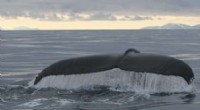
* Reduced or Non-functional Structures: Vestigial structures are often reduced or incomplete versions of structures found in related species. For example, the pelvic bones in whales and snakes are remnants of hind limbs that were present in their terrestrial ancestors. These structures are no longer used for walking, but their presence suggests a common ancestry with land-dwelling animals.
* Shared Ancestry: The presence of similar vestigial structures in different species provides strong evidence for shared ancestry. For instance, the appendix in humans is a small, vestigial pouch that was likely more functional in our herbivorous ancestors for digesting plant matter. It's also found in other primates, suggesting a common ancestor.
* Evolutionary History: Vestigial structures serve as a snapshot of evolutionary history. They show how organisms adapt to new environments and lose structures that are no longer necessary. The loss of functionality over time is a result of natural selection favoring individuals with traits that are beneficial in their current environment, even if it means losing features that were once useful.
* Evidence of Change: The very existence of vestigial structures challenges the idea of organisms remaining unchanged over time. They demonstrate that evolution is a dynamic process, with organisms continuously adapting and modifying their features to suit their environment.
Examples:
* Wings in Flightless Birds: Ostriches and penguins have wings that are too small for flight. These wings are vestiges of their flying ancestors.
* Eyes in Cave-Dwelling Organisms: Some cave-dwelling organisms, like blind cave fish, have rudimentary eyes that are covered in skin and cannot see. These eyes are vestiges of their surface-dwelling ancestors who used sight for navigation.
* Wisdom Teeth in Humans: Wisdom teeth are often impacted and cause pain. They are remnants of a larger jaw that was needed in our ancestors for chewing tough foods.
In conclusion, vestigial structures are powerful evidence of evolution and how present-day organisms have diverged from their ancestors over time. Their presence serves as a reminder that the process of evolution is ongoing and can lead to the loss of once essential features.