The brain is an intricate network of neurons that constantly communicate and adapt, enabling us to learn and remember. The following are some of the key neural processes involved:
1. Encoding:
* Sensory Perception: Information from the environment is initially processed by our sensory systems (sight, hearing, touch, taste, smell).
* Attention: Selective focus on specific stimuli, allowing relevant information to be prioritized and encoded into memory.
* Working Memory: Holds information temporarily while it is being processed and transferred to long-term memory.
* Rehearsal: Repeatedly practicing or reviewing information strengthens its encoding and retention.
2. Consolidation:
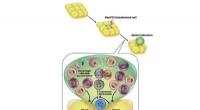
* Synaptic Plasticity: The strength and efficiency of connections between neurons (synapses) can be modified through experience. This involves changes in the number, size, and function of synapses.
* Long-Term Potentiation (LTP): Strengthening of synaptic connections, making it easier for signals to travel between neurons.
* Long-Term Depression (LTD): Weakening of synaptic connections, reducing the likelihood of signal transmission.
* Hippocampus: Plays a crucial role in forming new memories and transferring them from short-term to long-term storage.
* Sleep: Crucial for consolidation and memory consolidation.
3. Retrieval:
* Retrieval Cues: Triggers that help us access stored information.
* Context-Dependent Memory: Memories are more easily retrieved when we are in the same context or environment as when we learned them.
* State-Dependent Memory: Memories are more accessible when we are in the same physiological state (e.g., emotional state) as when we encoded them.
* Prefrontal Cortex: Involved in retrieving information from long-term memory and making decisions.
4. Other Key Neural Structures:
* Amygdala: Involved in emotional processing and memory.
* Cerebellum: Plays a role in motor learning and procedural memory.
* Basal ganglia: Involved in habit learning and procedural memory.
5. Molecular Mechanisms:
* Neurotransmitters: Chemical messengers that transmit signals between neurons.
* Second Messengers: Molecules within neurons that amplify and relay signals.
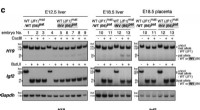
* Gene Expression: Activation or suppression of genes, leading to changes in protein synthesis and brain structure.
These neural processes work together in a complex and interconnected way to support learning and memory. However, understanding the precise mechanisms underlying these processes is an ongoing area of research.
Here are some additional points to consider:
* Different types of learning and memory rely on different brain areas and processes.
* Memory is not a single entity but rather a complex system involving multiple brain areas and processes.
* Neural processes involved in learning and memory are constantly evolving and adapting throughout life.
Understanding the neural processes of learning and memory is essential for developing effective educational and therapeutic interventions.