In biology, "illusion" is often used metaphorically to describe phenomena that appear to be one thing when they are actually something else. Here are some examples:
* Mimicry: An animal mimicking another animal, like a harmless snake mimicking a venomous snake. This is a real biological adaptation, not an illusion.
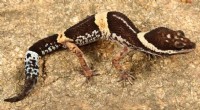
* Camouflage: An animal blending in with its surroundings, making it seem invisible. Again, this is a physical adaptation.
* Evolutionary Convergence: Different species evolving similar features due to similar selective pressures, like the streamlined body shape of a dolphin and a shark. This is a result of natural selection, not an illusion.
Essentially, "illusion" in biology emphasizes that what we observe in nature may not always be what it initially seems. This can be due to adaptations, evolutionary processes, or even the limitations of our own senses.
It's important to remember:
* There are no illusions in the sense of "tricks" or "deceptions" happening within living organisms.
* The concept of "illusion" in biology highlights the importance of understanding the underlying mechanisms driving biological phenomena.
Instead of "illusion," biologists often use terms like:
* Adaptation: A trait that helps an organism survive and reproduce in its environment.
* Evolutionary Convergence: The development of similar features in different species due to similar selective pressures.
* Sensory Deception: The ability of an organism to manipulate the senses of another organism, like in the case of a predator using camouflage to ambush prey.
So, when you encounter the term "illusion" in biology, try to interpret it in the context of biological adaptations and evolutionary processes.