* Muscle contraction
* Protein synthesis
* Active transport
* Cell signaling
* Maintaining cell structure
Here's how mitochondria generate ATP:
1. Glycolysis: Glucose, a sugar, is broken down into pyruvate in the cytoplasm. This process produces a small amount of ATP.
2. Krebs Cycle: Pyruvate enters the mitochondria and is further broken down, generating electrons.
3. Electron Transport Chain: The electrons from the Krebs Cycle are passed along a chain of proteins in the mitochondrial membrane, releasing energy. This energy is used to pump protons across the membrane, creating a concentration gradient.
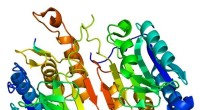
4. ATP Synthesis: The protons flow back across the membrane through a protein called ATP synthase, driving the production of ATP.
Essentially, mitochondria act like tiny power plants within cells, harnessing energy from nutrients and converting it into a form that can be readily used by the cell.
Here's a simple analogy: Imagine your cell is a car. The mitochondria are the engine, taking fuel (glucose) and converting it into energy (ATP) that powers the car (cell). Without the engine (mitochondria), the car (cell) would not be able to move or function.