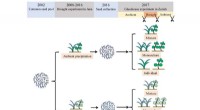
1. Imbibition: The seed absorbs water, which activates enzymes and starts metabolic processes.
2. Radicle Emergence: The radicle, the embryonic root, emerges from the seed and grows downwards, anchoring the plant and absorbing water and nutrients.
3. Hypocotyl Emergence: The hypocotyl, the embryonic stem, grows upwards, pushing the cotyledons (seed leaves) above the soil.
4. Cotyledon Expansion: The cotyledons emerge and begin photosynthesis, providing the seedling with energy.
5. True Leaf Development: True leaves develop from the apical bud, replacing the cotyledons as the primary photosynthetic organs.
6. Root System Growth: The root system continues to develop, providing structural support and absorbing water and nutrients.
7. Shoot System Growth: The shoot system, including the stem and leaves, continues to grow, allowing the plant to reach for sunlight and carry out photosynthesis.
Factors Influencing Germination:
* Water: Essential for activating enzymes and facilitating metabolic processes.
* Oxygen: Required for respiration, which provides energy for growth.
* Temperature: Each species has an optimal temperature range for germination.
* Light: Some seeds require light for germination, while others germinate in darkness.
In summary: Germination is a complex process involving multiple steps and factors, ultimately leading to the emergence of a new plant from a seed.