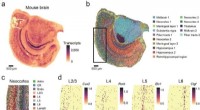
Multicellular organisms, from plants to animals, achieve incredible complexity through the organized arrangement of their cells. This isn't a random jumble, but a well-defined hierarchy, allowing for specialization, efficiency, and the ability to perform complex tasks.
Here's a breakdown of this cellular organization:
1. Cells: The fundamental building blocks of life. In multicellular organisms, these cells are often specialized, performing specific functions like muscle contraction, nerve impulse transmission, or photosynthesis.
2. Tissues: Collections of similar cells working together to perform a common function. Examples include muscle tissue (for movement), nervous tissue (for communication), and epithelial tissue (for covering and lining).
3. Organs: Composed of different tissues working in coordination to carry out a specific task. For instance, the heart (composed of muscle, nervous, and connective tissues) pumps blood throughout the body.
4. Organ Systems: Groups of organs working together to perform a major life function. The circulatory system (heart, blood vessels, blood), for example, transports nutrients and oxygen throughout the body.
5. Organism: The highest level of organization, representing a complete living being made up of interconnected organ systems.
Advantages of Cellular Organization:
* Specialization: By dividing labor amongst specialized cells and tissues, multicellular organisms can perform complex tasks far beyond the capabilities of single-celled organisms.
* Efficiency: Each specialized cell can focus on its particular function, maximizing its effectiveness and leading to increased overall productivity.
* Increased Size and Complexity: This organization allows for the development of larger, more complex organisms with greater functional capabilities.
* Repair and Regeneration: The ability to replace damaged cells and tissues through cell division is essential for maintaining organism integrity.
* Adaptation: The organization facilitates the development of adaptations that allow organisms to survive in specific environments.
An Example:
Think of a human body. Muscles contract to allow movement, nerves transmit signals for coordination, and the digestive system breaks down food for energy. All of these processes are made possible by the organized interaction of specialized cells, tissues, organs, and organ systems.
In Conclusion:
The intricate organization of cells in multicellular organisms allows for increased complexity, efficiency, and adaptive capabilities. This hierarchical arrangement is a cornerstone of life, enabling a wide range of life forms to thrive and interact with their environment in remarkable ways.