Photosynthesis
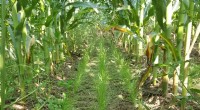
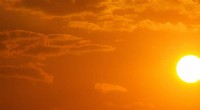
* What it does: Converts light energy from the sun into chemical energy (glucose) that plants and some algae can use as food. It also releases oxygen as a byproduct.
* Inputs: Sunlight, carbon dioxide (CO2), water (H2O)
* Outputs: Glucose (C6H12O6), oxygen (O2)
* Location: Chloroplasts in plants and algae
* Organisms: Plants, algae, some bacteria
Cellular Respiration
* What it does: Breaks down glucose to release energy (ATP) that cells can use for their functions. It also produces carbon dioxide as a byproduct.
* Inputs: Glucose (C6H12O6), oxygen (O2)
* Outputs: Carbon dioxide (CO2), water (H2O), ATP (energy)
* Location: Mitochondria in all eukaryotic cells
* Organisms: All living organisms, including plants, animals, fungi, and bacteria
Key Differences:
* Energy Source: Photosynthesis uses light energy, while cellular respiration uses chemical energy stored in glucose.
* Input/Output: Photosynthesis takes in carbon dioxide and water, while cellular respiration releases carbon dioxide and water.
* Energy Conversion: Photosynthesis converts light energy into chemical energy, while cellular respiration converts chemical energy into usable energy (ATP).
* Oxygen: Photosynthesis produces oxygen, while cellular respiration uses oxygen.
Relationship:
Photosynthesis and cellular respiration are essentially opposites:
* Photosynthesis creates the food (glucose) that cellular respiration breaks down.
* Photosynthesis releases oxygen that cellular respiration uses.
* Cellular respiration produces carbon dioxide that photosynthesis uses.
This interdependence between these two processes forms the basis of the carbon cycle, a key cycle for maintaining life on Earth.