Growth:
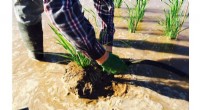
* Plants: Mitosis is essential for the growth of all plant parts, including roots, stems, leaves, and flowers. Cells divide to produce new cells, increasing the size and complexity of the plant. For example, a seedling grows taller by dividing cells in its shoot apical meristem.
* Animals: Mitosis is crucial for the growth of animals from embryos to adults. It allows for the increase in cell numbers, leading to the development of organs and tissues. For example, a baby's bones grow longer due to mitosis in the cartilage cells at the ends of bones.
* Single-celled organisms: Unicellular organisms like bacteria and amoebas use mitosis to reproduce asexually. This allows them to create clones of themselves, increasing their population size.
Repair:
* Skin: When you get a cut or scrape, mitosis allows your skin cells to divide and replace the damaged tissue. This process heals the wound and restores the skin's integrity.
* Internal organs: Mitosis also plays a role in repairing damage to internal organs. For example, if your liver is damaged due to alcohol abuse, mitosis can help regenerate new liver cells to replace the damaged ones.
* Bones: When you break a bone, mitosis helps heal the fracture. New bone cells are created to replace the damaged bone tissue, leading to the formation of a callus that eventually heals the bone.
Other examples:
* Hair and nails: Mitosis allows for the growth of hair and nails by dividing the cells at the base of these structures.
* Blood cells: Mitosis is essential for the production of red blood cells, which carry oxygen throughout the body.
* Immune system: Mitosis is involved in the production of white blood cells, which fight off infections.
These are just a few examples of how mitosis is essential for growth and repair in organisms. Mitosis is a fundamental process that allows life to thrive and maintain its complexity.