Limits on Cell Size
* Surface Area to Volume Ratio: As a cell grows larger, its volume increases much faster than its surface area. This creates problems with:
* Nutrient uptake: The cell needs to take in nutrients through its surface. A larger volume requires more nutrients, but a smaller surface area limits how much can be absorbed.
* Waste removal: Waste products need to be expelled through the cell surface. A larger volume produces more waste, but a smaller surface area limits how much can be excreted.
* Diffusion: Materials move within the cell by diffusion, which is slower over longer distances. A large cell has a longer distance for molecules to travel, making diffusion less efficient.
* DNA and Control: As a cell gets larger, it has a harder time managing its DNA and controlling its internal processes.
Limits on Cell Smallness
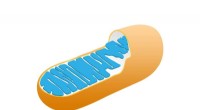
* Minimum Organelles: A cell needs a certain minimum set of organelles (like ribosomes, mitochondria, and the nucleus) to function properly. A very small cell might not have enough space to accommodate these essential structures.
* Surface Area to Volume Ratio (again!): While a smaller surface area to volume ratio is generally beneficial for larger cells, it can become a problem for extremely small cells. The cell membrane may become too small to adequately control what enters and exits the cell.
The Optimal Size
There is a "sweet spot" for cell size. Cells have evolved to be the right size to balance the demands of nutrient uptake, waste removal, and efficient internal communication. The actual size varies greatly between different types of cells, but they are all constrained by these fundamental limitations.
Exceptions
There are some exceptions to these rules. For example, some specialized cells like nerve cells can be extremely long, but they maintain a relatively small diameter to optimize for efficient communication.