1. Nutrient Recycling:
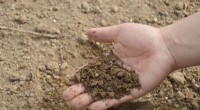
* Decomposition: Detritivores break down dead organic matter (plants, animals, waste) into simpler substances. This process releases nutrients like nitrogen, phosphorus, and carbon back into the soil and water.
* Nutrient Availability: These released nutrients become available for producers (plants) to use for growth. Producers form the base of the food chain, so the availability of nutrients directly impacts the entire ecosystem's productivity.
2. Waste Removal:
* Removing Dead Matter: Detritivores help prevent the accumulation of dead organic matter, which can lead to disease outbreaks, harmful bacteria growth, and altered ecosystem dynamics.
* Cleaning Up Waste: Detritivores consume animal waste, helping to maintain a clean environment and reduce disease spread.
3. Food Source:
* Food for Predators: Detritivores themselves become food for larger organisms, including predators and scavengers. This links them to the food web and contributes to the overall energy flow.
Examples of Detritivores:
* Earthworms: Break down decaying leaves and other organic matter, improving soil structure and fertility.
* Fungi: Decompose wood, leaves, and other organic matter, releasing essential nutrients.
* Bacteria: Play a crucial role in breaking down complex organic compounds, making nutrients available for other organisms.
* Millipedes: Feed on decaying plant matter, contributing to decomposition.
* Scavengers: Animals like vultures and hyenas consume carrion, helping to remove dead animals and prevent the spread of disease.
Importance of Detritivores:
Without detritivores, ecosystems would become choked with dead matter, nutrients would be locked away, and the flow of energy would be disrupted. Their role is essential for maintaining a healthy and balanced ecosystem.