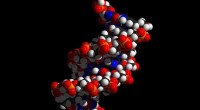
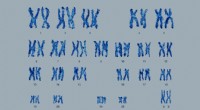
* Mutations alter the DNA sequence: Mutations are changes in the DNA sequence, the blueprint for protein synthesis.
* DNA codes for proteins: The DNA sequence dictates the amino acid sequence of a protein.
* Changes in amino acid sequence can affect protein function:
* Silent mutations: Some mutations don't change the amino acid sequence at all. These are generally harmless.
* Missense mutations: These mutations change the amino acid sequence. The effect can vary:
* No significant change: The new amino acid may have similar properties to the original one, so the protein might function normally.
* Reduced function: The protein might be less effective at its job.
* Loss of function: The protein might be completely inactive.
* Gain of function: The protein might have a new or enhanced function.
* Nonsense mutations: These mutations introduce a premature stop codon, leading to a truncated, often non-functional protein.
* Frameshift mutations: These mutations insert or delete nucleotides, shifting the reading frame and causing a completely different protein to be made.
In summary:
* Mutations are changes in the DNA code.
* These changes can alter the amino acid sequence of proteins.
* Changes in amino acid sequence can have a variety of effects on protein function, ranging from no effect to complete loss of function.
Therefore, cells with mutations do not always make normal proteins. The effect of a mutation on protein function depends on the specific mutation and its location within the gene.