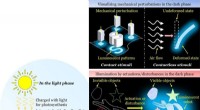
1. Oxygen (O2): A primary product of photosynthesis, oxygen is essential for respiration in both plants and animals. During photosynthesis, plants use sunlight to convert carbon dioxide and water into glucose (sugar) and oxygen. The oxygen is released as a byproduct.
2. Hormones: Plant hormones, such as auxin, gibberellin, cytokinin, and ethylene, are synthesized within the cell and then transported to other parts of the plant to regulate growth, development, and responses to environmental cues.
3. Secondary metabolites: These are diverse compounds produced by plants that aren't directly involved in primary metabolic functions. Examples include:
* Alkaloids: Often toxic and used for defense against herbivores.
* Terpenes: Contribute to fragrance and flavor.
* Phenolics: Provide antioxidant properties.
4. Waste products: Like all living cells, plant cells produce waste products as a result of metabolism. Some examples include:
* Carbon dioxide (CO2): A byproduct of respiration.
* Nitrogenous compounds: Can be released through transpiration or decomposition.
* Excess minerals: May be released when they accumulate to high levels.
5. Sugars (especially sucrose): Plant cells produce sugars during photosynthesis, and these sugars are transported throughout the plant to fuel growth and other processes. Excess sugars can be released from the cells.
6. Water: While plant cells take in large amounts of water, they also lose water through transpiration, a process where water evaporates from the leaves.
7. Dissolved nutrients: Plant cells can release dissolved nutrients, particularly those that are no longer needed or have accumulated to high levels.
Important Notes:
* The specific nutrients released from a plant cell can vary depending on the plant species, its developmental stage, and the environmental conditions.
* The process of nutrient release is often linked to various cellular mechanisms, including active transport, passive diffusion, and exocytosis.
Let me know if you have any more questions!