A colony is a group of organisms living together, usually of the same species. Here are some examples:
* Bacterial colonies: Millions of individual bacteria living together on a petri dish.
* Ant colonies: Thousands of ants working together in a complex society.
* Coral colonies: Thousands of individual coral polyps living together and forming a larger structure.
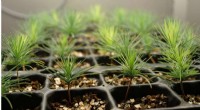
* Clonal colonies: In some plants, a single organism can reproduce asexually, creating a group of genetically identical individuals that grow together.
Exceptions:
There are some cases where a single organism can be considered a "colony" in a loose sense, like:
* Slime molds: These are single-celled organisms that can aggregate and behave as a multicellular organism.
* Volvox: These are green algae that form spherical colonies of hundreds of individual cells.
In summary: While some organisms can exist as colonies, most colonies are composed of multiple individual organisms.