Here's why:
* Protists are single-celled eukaryotic organisms. They are distinct from bacteria, which are prokaryotic.
* The specific protist that causes malaria is called *Plasmodium*. There are different species of *Plasmodium*, each causing a different type of malaria.
Let's break down the other options:
* Bacteria: These are single-celled prokaryotic organisms. They cause diseases like pneumonia and strep throat.
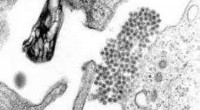
* Viruses: These are not technically living organisms. They consist of genetic material (DNA or RNA) enclosed in a protein coat and require a host cell to reproduce. Examples include the flu virus and HIV.
* Fungi: These are multicellular eukaryotic organisms that include mushrooms, yeasts, and molds. They can cause diseases like athlete's foot and ringworm.
* Prions: These are misfolded proteins that can cause other proteins to misfold, leading to diseases like mad cow disease.