Here's a breakdown:
* Catalyst: A substance that speeds up a chemical reaction without being consumed in the process.
* Biological: Refers to processes or substances related to living organisms.
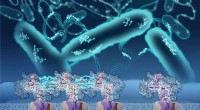
Enzymes are biological catalysts made of proteins (or sometimes RNA). They have specific active sites that bind to particular molecules (substrates), facilitating chemical reactions within the cell.
Here's how enzymes work:
1. Lowering activation energy: Enzymes reduce the amount of energy needed to start a reaction, making it happen faster.
2. Specificity: Each enzyme is specific to a particular reaction or type of molecule, ensuring reactions occur in a controlled and efficient manner.
3. Reusability: Enzymes are not used up in the reactions they catalyze, allowing them to participate in many reactions repeatedly.
Examples of enzymes:
* Lactase: Breaks down lactose (milk sugar) in the digestive system.
* DNA polymerase: Helps copy DNA during cell division.
* Pepsin: Breaks down proteins in the stomach.
Importance of enzymes:
Enzymes are essential for all life processes, including:
* Digestion: Breaking down food into usable nutrients.
* Metabolism: Converting food into energy and building blocks for cells.
* Replication: Copying DNA for cell division.
* Repair: Fixing damaged DNA.
* Immune response: Fighting off infections.
In essence, enzymes are the workhorses of the cell, enabling vital biological reactions to occur at speeds necessary for life.