However, several groups present challenges to traditional classification systems:
* Prokaryotes: Bacteria and Archaea were initially classified as a single kingdom, Monera. However, their vast diversity and unique characteristics led to their separation into two domains. Their simple structure and lack of membrane-bound organelles make them difficult to classify using traditional methods.
* Viruses: Viruses are not considered living organisms because they lack the characteristics of life, such as cellular structure and independent metabolism. They exist on the border between living and non-living and cannot be classified into any existing kingdom.
* Extremophiles: Organisms that thrive in extreme environments (like hot springs, highly acidic or alkaline environments) often have unique adaptations that challenge traditional classification systems. Their extreme conditions make them difficult to study and classify.
* Hybrids: Organisms resulting from the interbreeding of different species can blur the lines of classification. Their genetic makeup combines traits from both parent species, making them difficult to place within a strict taxonomic framework.
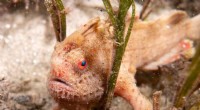
* Newly discovered organisms: As scientists continue to discover new life forms, they may not fit neatly into existing classification systems. The discovery of new species with unique characteristics can force a reassessment of existing classification schemes.
Ultimately, the classification of organisms is an ongoing process. As our understanding of biology expands, we may discover new ways to categorize organisms and refine existing systems.