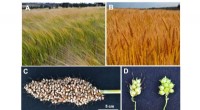
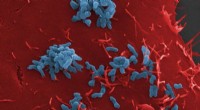
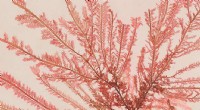
* Autotrophs: These organisms have the ability to synthesize their own food from inorganic sources, primarily using sunlight for energy (photosynthesis). They are the base of the food chain. Examples include plants, algae, and some bacteria.
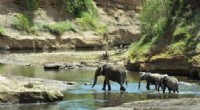
* Heterotrophs: These organisms rely on consuming other organisms for their energy and nutrients. They cannot create their own food from inorganic sources. Decomposers are a type of heterotroph.
Decomposers like mushrooms break down dead organic matter (plants, animals, etc.). This process releases nutrients back into the environment, which can be used by other organisms. However, they don't create their own food from sunlight or inorganic sources like autotrophs do. They obtain their energy by breaking down existing organic matter.
In short:
* Autotrophs: Make their own food.
* Heterotrophs: Get their food from other organisms.
* Decomposers: A type of heterotroph that breaks down dead organic matter.