* Glycolysis: This process occurs in the cytoplasm and breaks down glucose into pyruvate, producing a small amount of ATP and NADH.
* The formation of pyruvate to acetyl-CoA: This is a very short stage that connects glycolysis to the Krebs cycle. It occurs in the mitochondria in aerobic respiration, but in anaerobic respiration, this step may occur in the cytoplasm or not at all, depending on the specific organism and pathway.
However, anaerobic respiration does not include the following stages:
* Krebs Cycle (Citric Acid Cycle): This cycle occurs in the mitochondria and further breaks down pyruvate to produce more ATP, NADH, and FADH2.
* Electron Transport Chain: This process occurs on the inner mitochondrial membrane and uses the electrons from NADH and FADH2 to create a proton gradient that drives ATP synthesis.
Instead of the Krebs cycle and electron transport chain, anaerobic respiration uses different pathways to regenerate NAD+ from NADH, which is necessary for glycolysis to continue. These pathways vary depending on the organism, but some common examples include:
* Fermentation (lactic acid or alcoholic): These pathways produce lactic acid or ethanol as byproducts, respectively.
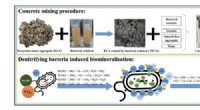
* Anaerobic respiration using alternative electron acceptors: Some bacteria use other molecules like sulfate or nitrate as electron acceptors in the electron transport chain, instead of oxygen.
So, while anaerobic respiration utilizes glycolysis and the pyruvate to acetyl-CoA stage, it skips the Krebs cycle and electron transport chain, relying on other pathways to produce ATP and regenerate NAD+.