1. Decomposition of Plant Matter:
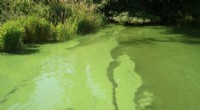
* Anaerobic Bacteria: The process starts with the death and accumulation of large quantities of plant matter, typically in swampy environments. Anaerobic bacteria (those living without oxygen) begin the decomposition process, breaking down the complex organic molecules in plants into simpler compounds.
2. Peat Formation:
* Humic Substances: As the bacteria break down the plant matter, they release humic substances, which are complex organic molecules responsible for giving soil its dark color. This partially decomposed plant material, rich in humic substances, forms a thick layer known as peat.
3. Burial and Pressure:
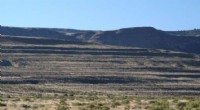
* Geological Processes: Over time, the peat layer gets buried under layers of sediment, which may be deposited by rivers or other geological processes. This burial results in increasing pressure and temperature.
4. Coalification:
* Chemical Transformations: The pressure and heat transform the peat into coal. This process, called coalification, involves a series of complex chemical transformations, including dehydration, deoxygenation, and carbonization. Bacteria don't directly participate in these transformations, but the initial decomposition they initiate is a critical prerequisite for coal formation.
In summary:
* Bacteria are essential for the initial decomposition of plant matter, creating the peat layer, which is the precursor to coal.
* Their activity sets the stage for the geological processes that lead to the formation of coal.
* While bacteria don't directly transform peat into coal, they are a vital component of the early stages of coal formation.