Eating:
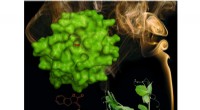
* Photosynthesis: Plants make their own food through a process called photosynthesis.
* They use sunlight, water, and carbon dioxide from the air to create sugar (glucose), which is their energy source.
* This process takes place in the chloroplasts within their cells.
* Nutrients from the Soil: Plants absorb nutrients like nitrogen, phosphorus, and potassium from the soil through their roots.
* These nutrients are essential for growth and development.
Breathing:
* Gas Exchange: Plants take in carbon dioxide from the air through tiny openings called stomata on their leaves.
* They release oxygen as a byproduct of photosynthesis.
* Respiration: Just like animals, plants also need oxygen for respiration, which is the process of breaking down sugars to release energy.
* This process happens in the mitochondria of their cells.
In Summary:
* Plants don't eat food like animals. They make their own food through photosynthesis.
* Plants do breathe, taking in carbon dioxide and releasing oxygen, but they also use oxygen for respiration.
Let me know if you have any other questions about plants!