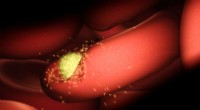
1. Forming Endospores:
* This is the most notable adaptation of certain bacilli, including *Bacillus* and *Clostridium* species.
* Under stress (lack of nutrients, extreme temperatures, etc.), they form resistant spores within their cell.
* These spores are metabolically inactive, surrounded by a tough protein coat, and can withstand extreme conditions like heat, radiation, and desiccation.
* When conditions improve, the spore germinates, and the bacterium returns to its active form.
2. Metabolic Adjustments:
* Some bacilli can switch their metabolism to utilize alternative energy sources or reduce their metabolic activity to conserve energy.
* This allows them to survive periods of nutrient scarcity or limited oxygen.
3. Cell Wall Modification:
* Some bacilli may alter their cell wall structure to make it more resistant to harsh environments.
* This can include thickening the cell wall or producing a protective slime layer.
4. Biofilm Formation:
* Bacilli can join together in a community, forming a biofilm.
* This provides a protective barrier and allows them to share resources and communicate.
5. Horizontal Gene Transfer:
* Bacilli can acquire new genes from other bacteria, which may provide them with adaptations to survive unfavorable conditions.
Specific Examples:
* *Bacillus anthracis*: Forms endospores that can remain viable for decades in the soil.
* *Clostridium difficile*: Forms endospores that are resistant to many disinfectants and can survive in the environment for extended periods.
* *Mycobacterium tuberculosis*: Has a thick, waxy cell wall that makes it resistant to antibiotics and other harsh conditions.
It's important to note:
* Not all bacilli form endospores, and the specific adaptations used by each species depend on its environment and lifestyle.
* Understanding these strategies is crucial for managing bacterial infections and developing effective control measures.