The Journey Begins:
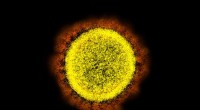
* The Fertilized Egg: It all starts with a single fertilized egg cell, a fusion of a sperm and egg. This cell contains all the genetic information needed to build a human being.
* Cell Division: This tiny cell rapidly divides, creating two cells, then four, then eight, and so on. This is called mitosis.
* Differentiation: As cells divide, they begin to specialize. Some become muscle cells, others become nerve cells, and so on. This is called differentiation. This specialization is controlled by the genes within each cell.
Building the Body:
* Organ Formation: Groups of similar specialized cells come together to form tissues, and tissues work together to create organs. For example, a group of muscle cells form the heart, and a group of nerve cells form the brain.
* Organ Systems: Different organs work together to form organ systems, like the circulatory system (heart, blood vessels), the nervous system (brain, spinal cord), and the digestive system (stomach, intestines).
* Growth and Development: This intricate process continues throughout pregnancy, with the baby growing bigger and more complex.
Amazing Facts:
* The Blueprint: The fertilized egg contains all the genetic information needed to build a baby, like a detailed blueprint.
* Signal Communication: Cells communicate with each other, using signals to tell them what to become and where to go.
* Flexibility: During development, the body can sometimes adapt to changes in the environment, showing its incredible resilience.
Important Note: This is a simplified explanation. Development is a very complex process involving many factors, like genetics, hormones, and environmental influences.
To learn more:
* Embryology: This branch of biology studies the development of embryos.
* Developmental Biology: This field studies the development of organisms from fertilization to adulthood.
Hopefully, this gives you a better understanding of how one cell can become a baby with all its organs! It's a truly awe-inspiring process.