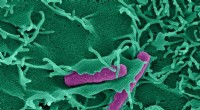
Ciliated epithelium is a type of epithelial tissue characterized by the presence of cilia, hair-like projections that extend from the apical surface of the cells. These cilia beat in a coordinated, rhythmic manner, creating a fluid current that moves substances along the epithelial surface.
Structure:
* Cells: Ciliated epithelial cells are typically columnar or cuboidal in shape.
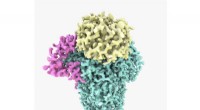
* Cilia: Cilia are microtubule-based structures that extend from the apical surface of the cell. Each cilium contains a central pair of microtubules surrounded by nine pairs of microtubules, forming a "9+2" arrangement.
* Basal Body: The base of each cilium is anchored to the cell by a structure called the basal body. This is essentially a modified centriole that provides the structural support for the cilium.
* Other Features: Ciliated epithelium may also contain goblet cells, which secrete mucus that helps to lubricate the surface and trap particles.
Function:
The primary function of ciliated epithelium is to move substances across the epithelial surface. This can include:
* Moving mucus: Cilia in the respiratory tract help to move mucus and trapped debris up and out of the lungs.
* Moving fluids: Cilia in the oviducts help to move the egg cell towards the uterus.
* Filtering particles: Cilia in the kidneys filter waste products from the blood.
* Sensory reception: Cilia in the inner ear help to detect sound waves.
Location:
Ciliated epithelium is found in various locations throughout the body, including:
* Respiratory tract: Lining the trachea, bronchi, and bronchioles.
* Reproductive tract: Lining the oviducts and parts of the uterus.
* Urinary tract: Lining the ureters and parts of the bladder.
* Central nervous system: Lining the ventricles of the brain and the central canal of the spinal cord.
* Sensory organs: In the inner ear and olfactory epithelium.
Disorders:
Damage to ciliated epithelium can result in various disorders, including:
* Cystic fibrosis: A genetic disorder that affects the cilia in the respiratory tract, leading to thick mucus buildup.
* Primary ciliary dyskinesia: A rare genetic disorder that affects the structure and function of cilia, leading to respiratory problems, infertility, and other complications.
Conclusion:
Ciliated epithelium is a specialized tissue that plays a crucial role in various bodily functions, including the movement of fluids, the removal of debris, and sensory reception. Understanding its structure and function is important for comprehending the physiology of various organs and systems.