Plants synthesize proteins through a process similar to that found in animals, following the central dogma of molecular biology:
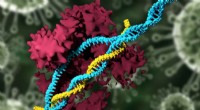
1. Transcription: DNA, the genetic blueprint, is transcribed into messenger RNA (mRNA) in the nucleus. This mRNA carries the code for a specific protein.
2. Translation: The mRNA travels to the ribosomes in the cytoplasm, where the genetic code is translated into a chain of amino acids. Transfer RNA (tRNA) molecules bring the correct amino acids to the ribosome based on the mRNA code.
3. Folding and Modification: The amino acid chain folds into a specific three-dimensional structure, guided by interactions between amino acids. This structure determines the protein's function. Further modifications, such as phosphorylation or glycosylation, may occur.
Plant-Specific Aspects:
* Nitrogen Fixation: Plants need nitrogen to make proteins. Some plants have a symbiotic relationship with bacteria that can fix atmospheric nitrogen into usable forms.
* Rubisco: This enzyme, crucial for photosynthesis, is the most abundant protein on Earth.
* Plant-specific amino acids: Plants can synthesize unique amino acids not found in animals, like ornithine and citrulline.
Plants synthesize fats, also known as lipids, primarily in the chloroplasts and endoplasmic reticulum. This process, lipogenesis, involves:
1. Building Blocks: Plants obtain carbon for fat synthesis from carbohydrates produced during photosynthesis. Fatty acids are built from acetyl-CoA, derived from glucose.
2. Fatty Acid Synthesis: Acetyl-CoA molecules are linked together in a series of reactions catalyzed by enzymes. This process occurs in the chloroplast stroma.
3. Glycerol Synthesis: Glycerol, another building block of fats, is produced from glucose through glycolysis.
4. Triacylglycerol Formation: Fatty acids and glycerol combine to form triacylglycerols, the main storage form of fats in plants. This occurs in the endoplasmic reticulum.
Plant-Specific Aspects:
* Unsaturated Fats: Plants produce a variety of unsaturated fats, essential for human health.
* Waxes: Plants synthesize waxes, which coat leaves and fruits, providing protection.
* Sterols: Plants produce sterols like sitosterol and stigmasterol, which contribute to cell membrane structure.
In summary: Plants synthesize proteins through a complex process involving transcription, translation, and folding, similar to animals, but with unique adaptations. They synthesize fats in the chloroplasts and endoplasmic reticulum, using building blocks derived from carbohydrates produced during photosynthesis, and produce a diverse range of lipids with specific functions.