Here's a breakdown of what they recognize:
* Phagocytes are a type of white blood cell that engulf and destroy pathogens (like bacteria and viruses), cellular debris, and other foreign substances.
* Recognition is based on pattern recognition receptors (PRRs) on the surface of phagocytes. These receptors bind to specific molecules called pathogen-associated molecular patterns (PAMPs), which are found on the surface of microbes.
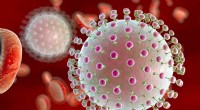
* PAMPs are molecules that are unique to microbes and not found in human cells. Examples include:
* Lipopolysaccharide (LPS): Found on the outer membrane of gram-negative bacteria.
* Peptidoglycan: Found in the cell walls of most bacteria.
* Flagellin: A protein found in bacterial flagella.
* Double-stranded RNA: Found in viruses.
* When PRRs bind to PAMPs, it triggers a cascade of events within the phagocyte, leading to the engulfment and destruction of the pathogen.
In summary: Phagocytes recognize and engulf bacteria and virus-infected cells by binding to specific molecules on their surface, called PAMPs, with the help of pattern recognition receptors (PRRs).