Here's a breakdown of why each kingdom might be considered complex:
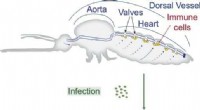
* Animalia: Animals are incredibly diverse, ranging from microscopic organisms to colossal whales. They are characterized by their complex nervous systems and sensory organs, allowing for advanced behavior, learning, and communication. Their specialized tissues and organs further contribute to their sophisticated organization.
* Plantae: Plants are masters of photosynthesis, converting sunlight into energy. Their complex vascular systems allow for efficient transport of nutrients and water throughout their bodies. They also exhibit a remarkable ability to adapt to diverse environments and possess elaborate reproductive strategies.
* Fungi: Fungi are often overlooked, but they play crucial roles in ecosystems as decomposers. Their mycelial networks, vast underground structures, connect vast areas and allow for efficient nutrient uptake. Their ability to break down complex organic matter is vital for recycling nutrients.
* Protista: This kingdom is incredibly diverse, encompassing single-celled organisms like amoebas to giant kelp. They exhibit remarkable adaptability and diversity, demonstrating complex life cycles, unique forms of locomotion, and diverse metabolic pathways.
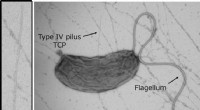
* Monera: This kingdom encompasses bacteria and archaea, often regarded as simple organisms. However, their ability to thrive in extreme environments, produce essential nutrients, and carry out complex metabolic processes demonstrates a surprising level of sophistication.
Ultimately, the "most complex" kingdom depends on your definition of complexity. If you focus on nervous system complexity, animals win. If efficient nutrient cycling is key, fungi take the lead. If adaptability and diversity matter, protists are a strong contender.
Each kingdom contributes uniquely to the web of life and exhibits its own brand of complexity. Trying to declare one as the "most complex" is a simplification that doesn't capture the full picture.