1. Sexual Reproduction: This involves the combination of genetic material from two parent plants, similar to how animals reproduce. Here's how it works:
* Flowers: Many plants use flowers for sexual reproduction. Flowers contain male reproductive parts (stamens) and female reproductive parts (pistils).
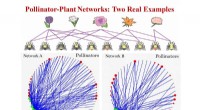
* Pollination: Pollen, containing male genetic material, is transferred from the stamen of one plant to the pistil of another (or the same plant) through wind, insects, birds, or other agents.
* Fertilization: The pollen grain travels down a tube to the ovary, where it fertilizes an egg cell.
* Seeds: The fertilized egg develops into a seed, which contains the embryo of the new plant and a food source.
* Germination: When conditions are right, the seed sprouts and grows into a new plant.
2. Asexual Reproduction: This involves only one parent plant, and the offspring are genetically identical to the parent. Here are some common methods:
* Vegetative propagation: This involves taking cuttings, bulbs, or other parts of the plant and growing them into new plants. Examples include taking cuttings from a rose bush or planting a potato tuber.
* Runners: Some plants, like strawberries, produce runners that grow along the ground and produce new plants at their nodes.
* Spores: Ferns and mosses reproduce through spores, which are tiny single cells that can grow into new plants.
Conclusion: While the specific methods vary, plants do indeed reproduce their own kind. They can do so through sexual reproduction, where genetic material from two parents combines, or through asexual reproduction, where a single parent produces genetically identical offspring.