Here's how we get millions of proteins from a relatively small number of genes:
1. Alternative Splicing: Think of a gene like a recipe for a protein. But instead of a single recipe yielding one dish, a gene can actually produce multiple protein variations by "splicing" different sections of its code together. Imagine a recipe for cake. You can add chocolate chips, nuts, or frosting, or leave them out entirely, resulting in different types of cake. Similarly, a gene can "add" or "remove" sections of itself, creating different protein "recipes."
2. Post-Translational Modifications: Once a protein is made, it can be further modified by adding or removing chemical groups. Imagine decorating a cake with different sprinkles, frosting, and candies – you start with the same basic cake but end up with a variety of final products. These modifications can change the shape, activity, and lifespan of a protein, leading to a huge diversity of protein functions.
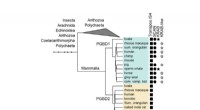
3. Multiple Genes for Similar Proteins: Sometimes, we have multiple genes that code for proteins with very similar functions. Think of this as having several recipes for similar types of cakes, each with its own slightly different flavor or texture. This redundancy provides backups and allows for fine-tuning of protein functions.
4. Protein-Protein Interactions: Proteins don't work in isolation. They often interact with each other, forming complex structures and carrying out intricate biological processes. This interaction creates a vast network of possibilities for different protein functions, even from a limited number of individual proteins.
5. The Power of Evolution: Over millions of years of evolution, our genes have become incredibly efficient at producing a wide range of proteins. We've selected for the genes that allow us to make the proteins we need for survival and adaptation.
In summary: While we may only have 20,000-25,000 genes, a combination of alternative splicing, post-translational modifications, multiple genes, protein-protein interactions, and evolutionary optimization allows our bodies to create millions of different proteins. This intricate system is a testament to the incredible complexity and efficiency of the human genetic code.