Tissues:
* Definition: Groups of similar cells that work together to perform a specific function. Think of them as the building blocks of organs.
* Examples:
* Epithelial tissue: Covers surfaces and lines cavities (skin, lining of your digestive tract).
* Connective tissue: Supports and binds other tissues (bone, cartilage, blood).
* Muscle tissue: Enables movement (skeletal, smooth, cardiac).
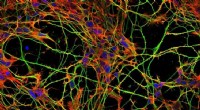
* Nervous tissue: Transmits electrical signals throughout the body (brain, spinal cord, nerves).
Organs:
* Definition: Structures composed of two or more different tissue types that work together to perform a complex function.
* Examples:
* Heart: Composed of muscle tissue (for pumping), connective tissue (for structure), and nervous tissue (for coordination).
* Stomach: Composed of epithelial tissue (lining), muscle tissue (for churning), connective tissue (for support), and nervous tissue (for controlling digestion).
* Lungs: Composed of epithelial tissue (for gas exchange), connective tissue (for support), and muscle tissue (for breathing).
Key Differences:
* Complexity: Tissues are simpler, being composed of similar cell types. Organs are more complex, involving multiple tissue types working in concert.
* Function: Tissues perform basic functions, while organs carry out complex, integrated tasks.
* Structure: Tissues are usually microscopic in size, while organs are macroscopic and have a recognizable shape.
Analogy: Think of building a house:
* Bricks: Individual cells
* Wall: Tissue (made of many bricks)
* Room: Organ (made of multiple walls and other structures)
In summary: Tissues are the basic building blocks, and organs are the larger, more complex structures built from them.