Here's why:
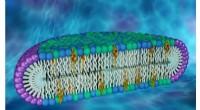
* Eukaryotic cells have a nucleus that contains their DNA, as well as other membrane-bound organelles.
* Prokaryotic cells lack a nucleus and other membrane-bound organelles.
Sunflowers are complex multicellular organisms with specialized cells that perform various functions. They have a nucleus, mitochondria, chloroplasts, and other organelles, all characteristics of eukaryotic cells.