Coevolution occurs when two species exert selective pressures on each other, leading to reciprocal adaptations. Here's a breakdown:
* Species A has a trait that affects Species B.
* Species B evolves in response to the trait of Species A.
* Species A then evolves in response to the change in Species B.
This process can lead to:
* Mutualism: Both species benefit from the interaction.
* Antagonism: One species benefits at the expense of the other (e.g., predator-prey, parasite-host).
Examples of coevolution:
* Flowers and pollinators: Flowers have evolved bright colors, scents, and nectar to attract pollinators, while pollinators have evolved specialized mouthparts and behaviors to access the nectar.
* Predator and prey: Predators evolve better hunting strategies, while prey evolve better defenses (e.g., camouflage, speed).
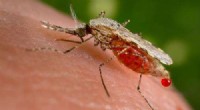
* Parasites and hosts: Parasites evolve ways to evade host defenses, while hosts evolve resistance mechanisms.
Coevolution is a powerful force in shaping the diversity of life on Earth.