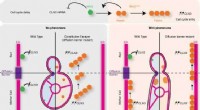
* The cell's internal environment is stable and constant. This includes factors like:
* Temperature: The cell maintains a consistent internal temperature.
* pH: The cell's internal pH is stable.
* Water concentration: The cell has the right amount of water for its functions.
* Nutrient levels: The cell has enough nutrients to meet its needs.
* Waste product levels: The cell effectively removes waste products.
* The cell can carry out its normal functions. This includes processes like:
* Metabolism: The cell can efficiently convert energy and build and break down molecules.
* Growth: The cell can grow and divide properly.
* Repair: The cell can repair damage and maintain its structure.
Maintaining homeostasis is essential for cell survival. If a cell is not in balance with its environment, it may experience stress, become damaged, or even die.
Here are some examples of how cells maintain homeostasis:
* Cell membrane: The cell membrane acts as a barrier, controlling what enters and exits the cell. This helps regulate the cell's internal environment.
* Organelles: Different organelles within the cell perform specific functions that contribute to homeostasis. For example, mitochondria produce energy, ribosomes synthesize proteins, and lysosomes break down waste products.
* Feedback mechanisms: Cells use feedback mechanisms to adjust their processes and maintain homeostasis. For example, if the cell's internal temperature rises, it may release heat to cool itself down.
Overall, a cell in balance with its environment is a healthy cell that can perform its normal functions and contribute to the overall health of the organism.