Here's why:
* Depth limitations: The aqualung's maximum depth is typically around 100-130 feet (30-40 meters). This is far shallower than the depths where many unique seafloor features and organisms exist.
* Air supply: The limited air supply in scuba tanks restricts dive time, making deep dives impractical and potentially dangerous.
Discoveries of Deep-Sea Features and Organisms:
The discovery of deep-sea organisms and features was primarily driven by the development of:
* Submersibles: These vessels allowed scientists to explore the ocean depths in a controlled environment with extended dive times and capabilities for collecting samples.
* Remotely Operated Vehicles (ROVs): These unmanned underwater robots equipped with cameras and sensors allowed exploration of even more extreme depths and environments.
* Deep-sea sonar: This technology uses sound waves to map the seafloor and identify underwater features and organisms.
These technologies enabled scientists to uncover:
* Hydrothermal vents: These underwater volcanic vents support unique ecosystems with chemosynthetic life forms that thrive on chemicals instead of sunlight.
* Cold seeps: These areas release methane and other hydrocarbons, supporting diverse communities of deep-sea organisms.
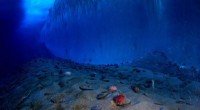
* Abyssal plains: Vast, flat areas of the ocean floor that harbor unique organisms adapted to the extreme pressure and darkness.
* Seamounts: Underwater mountains that serve as habitats for a wide range of fish, invertebrates, and corals.
While the aqualung has been vital for exploring shallow waters, deeper explorations and groundbreaking discoveries have relied on more advanced technologies designed for the extreme conditions of the deep sea.