Macromolecules:
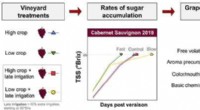
* Carbohydrates: Primarily sugars like fructose, glucose, and sucrose, which provide sweetness and energy. These are complex carbohydrates like starch, pectin, and cellulose, which contribute to the apple's structure and texture.
* Proteins: Found in the skin, flesh, and seeds, these are involved in various functions like growth, defense, and enzyme activity.
* Lipids (Fats): Present in smaller amounts, these contribute to the apple's flavor, texture, and nutritional value.
* Water: Apples are mostly water, which contributes to their juiciness and freshness.
Other Molecules:
* Vitamins: Apples are rich in vitamins like vitamin C, vitamin A, and B vitamins, important for various bodily functions.
* Minerals: They contain minerals such as potassium, calcium, iron, and phosphorus, essential for bone health, energy production, and other vital functions.
* Phytochemicals: These are plant compounds with potential health benefits, like antioxidants. Examples include flavonoids, anthocyanins, and quercetin.
* Organic Acids: Malic acid gives apples their tart flavor. Other acids like citric acid and tartaric acid contribute to their taste.
Cellular Structure:
* Cellulose: Forms the rigid cell walls of the apple, giving it its structure and firmness.
* Pectin: A complex polysaccharide found in the cell walls that contributes to the apple's gel-like texture.
* Hemicellulose: Another polysaccharide present in cell walls that contributes to the apple's structure.
Overall:
The molecular structure of an apple is a dynamic and intricate network of molecules, each contributing to its unique properties. Understanding the main components gives us insights into the apple's nutritional value, flavor, and texture.