Water Uptake:
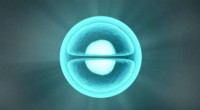
* Cell swelling: When water enters the cell, the cell volume increases, leading to swelling.
* Increased turgor pressure: The pressure exerted by the water against the cell membrane increases, creating turgor pressure.
* Facilitates cell processes: Water is essential for many cellular processes, including nutrient transport, waste removal, and chemical reactions.
* Maintains cell shape: In some animal cells, turgor pressure helps maintain cell shape and structure.
* Excessive water uptake: Can lead to cell lysis (bursting) due to excessive pressure.
Water Loss:
* Cell shrinkage: When water leaves the cell, the cell volume decreases, leading to shrinkage (also called crenation).
* Decreased turgor pressure: The pressure exerted by the water against the cell membrane decreases.
* Disruption of cell functions: Water loss can disrupt cell functions, including nutrient transport, waste removal, and chemical reactions.
* Loss of cell shape: Loss of turgor pressure can cause cells to lose their shape.
* Dehydration: Excessive water loss can lead to dehydration, which can have serious consequences for the organism.
Regulation of Water Balance:
* Osmosis: Animal cells regulate water balance through osmosis, the movement of water across a semi-permeable membrane from an area of high water concentration to an area of low water concentration.
* Aquaporins: These specialized proteins in the cell membrane facilitate water transport across the cell membrane.
* Homeostasis: The internal environment of an animal cell is carefully regulated to maintain a stable water balance.
Consequences of Imbalance:
* Hypotonic solutions: If a cell is placed in a hypotonic solution (lower solute concentration outside the cell), water will move into the cell, leading to swelling and potentially lysis.
* Hypertonic solutions: If a cell is placed in a hypertonic solution (higher solute concentration outside the cell), water will move out of the cell, leading to shrinkage and potentially dehydration.
* Isotonic solutions: In an isotonic solution (equal solute concentration inside and outside the cell), there is no net movement of water, and the cell maintains its normal volume.
In summary:
Water uptake and loss are essential processes for animal cells, playing a crucial role in maintaining cell volume, shape, and function. The balance of water uptake and loss is tightly regulated by osmosis and other cellular mechanisms to ensure proper cellular functioning and overall organismal health.