NK cells, or Natural Killer cells, are a type of lymphocyte (a type of white blood cell) that plays a crucial role in the innate immune system. They are known as "natural killers" because they do not require prior sensitization to recognize and destroy target cells.
Here's a breakdown of their key characteristics and functions:
Characteristics:
* Part of the innate immune system: Unlike T cells and B cells, NK cells don't need to "learn" to recognize specific antigens.
* Lack of antigen-specific receptors: They don't use TCRs (T cell receptors) or BCRs (B cell receptors) for target recognition.
* Large granular lymphocytes: They are larger than other lymphocytes and contain granules filled with cytotoxic molecules.
* Found in blood, lymph, and tissues: NK cells circulate in the blood and are also present in lymphoid tissues like lymph nodes and spleen.
Functions:
* Eliminate infected and cancerous cells: NK cells identify and kill cells displaying stress signals, such as infected cells or tumor cells.
* Use cytotoxic molecules: They release cytotoxic granules containing perforin (pokes holes in the target cell membrane) and granzyme (induces apoptosis, or programmed cell death).
* Produce cytokines: They secrete cytokines like interferon-gamma (IFN-γ) which activate other immune cells and enhance the immune response.
* Regulate immune responses: They can also suppress immune responses by releasing inhibitory signals, preventing excessive inflammation.
Mechanism of action:
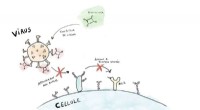
NK cells identify target cells through a complex balance of activating and inhibitory signals. They have receptors that recognize stress signals (e.g., MHC class I downregulation, stress proteins) on the surface of target cells. They also have receptors that recognize inhibitory signals (e.g., MHC class I molecules).
* If activating signals outweigh inhibitory signals: The NK cell becomes activated and releases cytotoxic granules, leading to target cell death.
* If inhibitory signals are stronger: The NK cell doesn't attack the target cell.
Importance:
NK cells are critical for:
* Early defense against infections: They are one of the first lines of defense against viral infections and some bacterial infections.
* Tumor surveillance: They play an important role in eliminating cancer cells and preventing tumor growth.
* Modulating immune responses: Their ability to release cytokines and suppress immune responses helps regulate the immune system.
Research and clinical applications:
NK cells are being investigated for potential applications in:
* Cancer immunotherapy: They are used in some cancer treatments, such as adoptive cell transfer therapy.
* Infectious disease therapy: They are being explored for their potential to treat infections, particularly viral infections.
* Autoimmune disease therapy: Their ability to suppress immune responses makes them a potential target for autoimmune disease treatment.
Overall, NK cells are vital players in the immune system, providing critical protection against infections and cancer. Understanding their complex functions and mechanisms is crucial for developing novel therapies for various diseases.