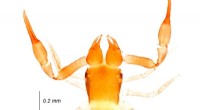
* Fossil specimens: These are the physical remains of ancient organisms, such as bones, teeth, shells, leaves, or footprints.
* Fossil locations: The place where a fossil was found, which can provide information about the environment the organism lived in.
* Fossil age: The age of the fossil, which can be determined using various dating methods.
* Fossil morphology: The shape, structure, and features of the fossil, which can be used to identify the organism and understand its anatomy and evolution.
* Fossil taphonomy: The study of the processes that led to the preservation of the fossil, such as burial, decay, and fossilization.
In addition to fossil data, paleontologists also gather information from other sources, such as:
* Geological data: Information about the rocks and sediments surrounding the fossils, which can provide insights into the environment and climate of the past.
* Biostratigraphic data: Information about the succession of fossils in different rock layers, which can be used to date rocks and correlate them with other locations.
* Comparative anatomy: Comparing the anatomy of fossils with modern organisms to understand evolutionary relationships and adaptations.
All of this information is combined to create a picture of the past, allowing paleontologists to reconstruct ancient ecosystems, understand the evolution of life, and explore the history of our planet.