Gymnosperms:
* Seeds are naked: They are not enclosed within a fruit. Think of pine cones!
* Pollen is dispersed by wind: This means they rely on the wind to carry pollen to other plants for fertilization.
* Usually have needle-like or scale-like leaves: This helps them conserve water in dry environments.
* Tend to be evergreen: They keep their leaves year-round.
* Examples: Conifers (pines, firs, spruces, cedars), cycads, ginkgoes, and gnetophytes.
Angiosperms:
* Seeds are enclosed within a fruit: This provides protection and helps with seed dispersal. Think of apples, oranges, and beans!
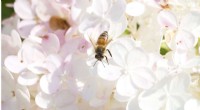
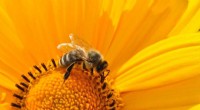
* Pollen is dispersed by insects, birds, or other animals: This is called pollination.
* Have broad leaves: They are usually flat and thin, maximizing surface area for photosynthesis.
* May be deciduous or evergreen: Deciduous plants lose their leaves seasonally, while evergreen plants keep them year-round.
* Examples: Flowers, grasses, trees like oaks and maples.
Here's a table summarizing the key differences:
| Feature | Gymnosperms | Angiosperms |
|----------------|---------------------|---------------------|
| Seed | Naked | Enclosed in fruit |
| Pollination | Wind | Insects/animals |
| Leaf Type | Needle-like/scale-like| Broad |
| Leaf Duration | Evergreen | Deciduous/Evergreen |
| Examples | Pines, cycads, ginkgoes| Flowers, grasses, oaks |
These differences allow gymnosperms and angiosperms to thrive in different environments and utilize different strategies for reproduction and survival.