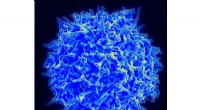
* Receptors: The cell membrane is studded with proteins called receptors. These receptors have specific binding sites for particular chemical messengers (ligands).
* Ligand Binding: When a ligand binds to its corresponding receptor, it triggers a change in the receptor's shape. This conformational change initiates a series of events inside the cell, known as signal transduction.
* Signal Transduction: The signal transduction pathway can involve a cascade of events, often involving other proteins and messengers, ultimately leading to a cellular response.
* Cellular Responses: These responses can be diverse, including:
* Changes in gene expression
* Alterations in cell metabolism
* Cell growth or division
* Muscle contraction
* Nerve impulse transmission
Examples of Chemical Signals Recognized by Cell Membranes:
* Hormones: These are secreted by endocrine glands and travel through the bloodstream to target cells.
* Neurotransmitters: These are chemicals released by neurons to transmit signals across synapses.
* Growth factors: These are proteins that stimulate cell growth and division.
* Cytokines: These are signaling molecules involved in immune responses.
Key Concepts:
* Specificity: Receptors are highly specific for their ligands. This ensures that only the correct signal is received and acted upon.
* Signal Amplification: Signal transduction pathways can amplify the original signal, allowing a small amount of ligand to trigger a large cellular response.
* Integration: Cells can receive and integrate multiple signals from different sources, resulting in complex and coordinated responses.
In conclusion, the cell membrane is a dynamic and crucial interface for communication between cells and their environment. Its ability to receive and recognize chemical signals is fundamental to cellular function, growth, and overall organismal development.