1. Recombination:
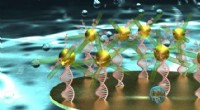
* The cut ends of both DNA molecules will have complementary sticky ends.
* These sticky ends can base pair with each other, allowing the bacterial and human DNA fragments to anneal (join together).
* This process is called recombination.
* Ligase enzyme can then be used to permanently join the DNA fragments, creating a hybrid molecule containing both bacterial and human DNA.
2. Formation of Recombinant Plasmids:
* If the bacterial DNA is in the form of a plasmid, a circular piece of DNA that replicates independently of the bacterial chromosome, the recombination can occur within the plasmid.
* This results in a recombinant plasmid carrying a piece of human DNA.
* These plasmids can then be introduced into bacterial cells, allowing for the replication and expression of the human gene within bacteria.
3. Consequences of Recombination:
* This process is fundamental to genetic engineering, allowing scientists to transfer genes from one organism to another.
* It has many applications, including:
* Production of therapeutic proteins: Bacteria can be used to produce large quantities of human proteins, like insulin.
* Gene therapy: Recombinant DNA can be used to correct genetic defects in humans.
* Diagnostic tools: Recombinant DNA can be used to create probes and kits for disease detection.
4. Challenges:
* Not all restriction enzymes create the same type of sticky ends. If the enzymes used to cut the bacterial and human DNA produce incompatible ends, recombination will not occur.
* The size and complexity of the DNA fragments can influence the efficiency of recombination.
* There are limitations on the size of the DNA fragment that can be inserted into a plasmid.
In summary: Mixing bacterial and human DNA cut with the same restriction enzyme allows for recombination, leading to the creation of hybrid DNA molecules and recombinant plasmids. This process is crucial for genetic engineering and has various applications in biotechnology and medicine.