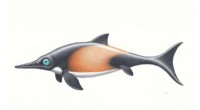
1. Evolutionary History: This focuses on the origins and diversification of animal life, tracing back to the earliest forms and their relationships. It encompasses the study of fossils, genetics, and comparative anatomy to reconstruct the evolutionary tree of animals.
2. Natural History: This focuses on the diversity and interactions of animals in their natural environments. It covers topics like animal behavior, ecology, and conservation, as well as the study of specific animal groups like birds, mammals, or insects.
3. Cultural History: This focuses on the relationship between humans and animals, exploring how animals have been represented in art, literature, mythology, and religion across different cultures and time periods. It examines the role of animals in human societies, from domesticated animals to symbolic animals, and how our understanding of animals has evolved over time.
4. History of Animal Science: This focuses on the development of scientific knowledge about animals, including fields like zoology, veterinary medicine, and animal husbandry. It explores how scientists have studied and understood animals, the methods they have used, and the key discoveries that have shaped our understanding of animal biology and behavior.
These four categories are not mutually exclusive and often overlap. For example, the study of a specific animal group (e.g., birds) might involve aspects of all four categories, combining evolutionary history, natural history, cultural significance, and scientific understanding.