1. Living Organisms:
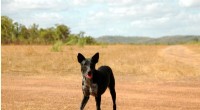
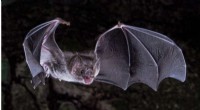
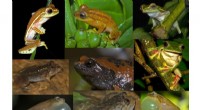
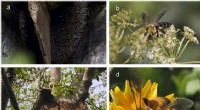
* All plants, animals, fungi, bacteria, and other microorganisms. This includes everything from giant sequoia trees to microscopic bacteria living in the soil.
2. Physical Environment:
* The Earth's atmosphere, hydrosphere (water), and lithosphere (land). This includes the air we breathe, the water we drink, and the soil we grow our food on.
3. Interconnectedness:
* The complex web of relationships between living organisms and their environment. This includes things like food chains, nutrient cycles, and symbiotic relationships.
Key Features of the Biosphere:
* Life Support System: The biosphere provides essential resources for life, such as oxygen, water, food, and shelter.
* Dynamic System: The biosphere is constantly changing and evolving, with organisms adapting to new environments and interacting with each other.
* Global Scale: The biosphere extends from the deepest oceans to the highest mountain peaks, encompassing all parts of the Earth where life exists.
In summary, the biosphere is a complex and interconnected system of all living things and their physical environment, working together to sustain life on Earth.