Here's a breakdown:
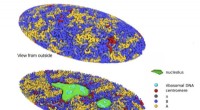
* DNA as a blueprint: DNA contains the instructions for building and maintaining an organism. These instructions are organized into genes, which are like individual recipes within the larger blueprint.
* Gene expression: the "on" switch: When a gene is "turned on" or expressed, the information in that gene is used to create a functional product, usually a protein. This protein then carries out a specific role in the cell, contributing to the organism's overall function.
* Regulation: the "on" and "off" switch: Cells carefully control which genes are expressed at any given time. This regulation is essential for:
* Development: During development, different genes are turned on and off to guide the formation of different tissues and organs.
* Cellular function: Genes are expressed in response to environmental signals, like food availability or stress, allowing cells to adapt and function properly.
* Disease prevention: Proper gene expression helps maintain cellular balance and prevents disease.
In summary, the turning on and off of specific sections of DNA (genes) is how cells control what they build and how they function. This process, called gene expression, is crucial for all aspects of life, from development to disease.