* Drugs: Prescription medications, over-the-counter drugs, illegal drugs, alcohol, nicotine, and even some herbal supplements.
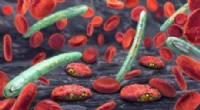
* Infections: Viruses like rubella, cytomegalovirus, Zika virus, and bacteria like syphilis can all cause birth defects.
* Environmental factors: Radiation, exposure to certain chemicals, and even some pesticides can be teratogenic.
* Maternal factors: Diabetes, certain autoimmune diseases, and even malnutrition can increase the risk of birth defects.
Key Characteristics of Teratogens:
* Dose-dependent: The effects of teratogens are usually related to the amount of exposure.
* Time-dependent: The timing of exposure is crucial. Certain teratogens are most harmful during specific periods of fetal development.
* Specific effects: Different teratogens can cause different birth defects.
Examples of Teratogens and their Effects:
* Alcohol: Fetal Alcohol Spectrum Disorders (FASD), characterized by physical, mental, and behavioral problems.
* Thalidomide: Severe limb deformities.
* Rubella virus: Heart defects, deafness, and blindness.
* Zika virus: Microcephaly (small head) and other brain defects.
* Radiation: Mental retardation, cancer, and birth defects.
Important to Note:
* Not all exposures to teratogens will result in birth defects.
* The severity of birth defects can vary depending on factors like the type of teratogen, the amount of exposure, and the timing of exposure.
* It is crucial for pregnant women to be aware of the potential risks of teratogens and to consult with their healthcare provider about any concerns.