Photosynthesis:
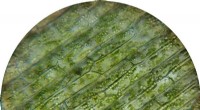
* Primary Producers: This is the primary domain of photosynthesis. It's performed by organisms that create their own food from sunlight, carbon dioxide, and water. These include:
* Plants: All plants, from towering trees to tiny algae, use photosynthesis.
* Algae: A diverse group including seaweed, phytoplankton, and some single-celled organisms.
* Cyanobacteria: These are bacteria that perform photosynthesis, often found in water.
Cellular Respiration:
* All Living Organisms: Cellular respiration is the process by which cells break down food molecules (like glucose) to release energy (ATP). This is essential for all living organisms, including:
* Plants: While plants primarily perform photosynthesis, they also use cellular respiration to break down the glucose they produce.
* Animals: All animals rely on cellular respiration for energy.
* Fungi: Fungi, like mushrooms, obtain energy through cellular respiration.
* Bacteria: Most bacteria use cellular respiration to extract energy from their surroundings.
Key Points:
* Interdependence: Photosynthesis and cellular respiration are intimately linked. Photosynthesis produces glucose, which is used as fuel in cellular respiration. Cellular respiration produces carbon dioxide, which is used in photosynthesis.
* Exceptions: There are some organisms that don't fit neatly into these categories. For example, some bacteria use different energy sources and don't rely on sunlight or glucose for energy.
Let me know if you'd like to explore any specific organism in more detail!