Levels of Organization:
* Molecular Biology: Examines the fundamental building blocks of life – molecules like DNA, RNA, and proteins. This area explores how these molecules interact to create the functions of cells and organisms.
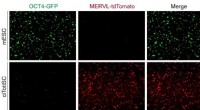
* Cellular Biology: Focuses on the structure, function, and behavior of cells, the basic unit of life. It investigates processes like cell division, metabolism, and communication.
* Tissue Biology: Studies groups of similar cells working together to perform specific functions. Examples include muscle tissue, nervous tissue, and epithelial tissue.
* Organ Biology: Examines how different tissues combine to form organs, like the heart, lungs, and brain.
* Organismal Biology: Investigates the structure, function, and behavior of complete living organisms.
* Population Biology: Studies groups of individuals of the same species interacting within a particular area.
* Community Ecology: Examines interactions between different species within a given environment.
* Ecosystem Biology: Explores the relationships between living organisms and their physical environment.
* Biosphere Biology: Studies the global interactions of all living things and the Earth's physical systems.
Major Disciplines:
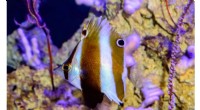
* Zoology: The study of animals.
* Botany: The study of plants.
* Microbiology: The study of microorganisms, including bacteria, fungi, viruses, and protists.
* Genetics: The study of heredity and how traits are passed from one generation to the next.
* Evolution: The study of how life has changed over time.
* Ecology: The study of the interactions between organisms and their environment.
* Physiology: The study of how organisms function.
* Anatomy: The study of the structure of organisms.
* Biochemistry: The study of the chemical processes of life.
* Immunology: The study of the immune system.
* Neuroscience: The study of the nervous system.
Emerging Fields:
* Bioinformatics: Uses computer tools to analyze biological data, such as DNA sequences and protein structures.
* Synthetic Biology: Designs and constructs new biological systems, often with applications in medicine, agriculture, and energy.
* Astrobiology: Searches for life beyond Earth.
Why Study Biology?
Biology is a critical field for understanding the world around us. It has a significant impact on our health, food security, and environmental sustainability. Studying biology can lead to careers in medicine, research, conservation, education, and many other fields.