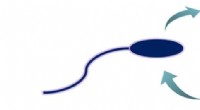
* Introns: These are non-coding regions of the RNA molecule. They are transcribed from the DNA but are not translated into protein.
* Other non-coding regions: Sometimes, short sequences besides introns are also removed. These can include:
* Leader sequences: These are located at the beginning of the RNA molecule and help guide the ribosome to the start of translation.
* Trailer sequences: These are located at the end of the RNA molecule and help stabilize the molecule.
How does RNA splicing work?
* Spliceosomes: These are large complexes of proteins and RNA molecules that recognize and cut out introns.
* Recognition sequences: Introns have specific sequences at their ends that signal to the spliceosome where to cut.
* Exons: The remaining sequences that are not cut out are called exons, and they are joined together to form the mature mRNA molecule.
Why is RNA splicing important?
* Removal of non-coding sequences: Introns are not needed to produce a protein, so they are removed to save energy and resources.
* Alternative splicing: The same gene can be spliced in different ways to produce multiple protein variants from a single gene. This adds to the complexity and diversity of the proteome.
In summary, RNA splicing is a vital process that removes non-coding sequences from RNA molecules to create functional mRNA molecules that can be translated into proteins.