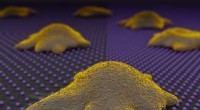
1. Structure and Shape:
* Shape: Cells can be round, flat, elongated, star-shaped, or even have complex, irregular shapes. The shape of a cell often reflects its function.
* Size: Cells vary greatly in size. For example, a human egg cell is one of the largest cells in the body, while bacteria are microscopic.
* Organelles: Cells contain different organelles (specialized structures) that perform specific functions. Some cells have organelles that others lack.
2. Function:
* Specialized Roles: Cells in a multicellular organism are specialized to perform specific tasks. For example, nerve cells transmit signals, muscle cells contract, and epithelial cells form linings.
* Cell Division: Different cells have different rates of cell division. Some cells divide frequently, while others rarely divide.
3. Genetic Makeup:
* DNA: While all cells in an organism share the same DNA, they may express different genes, leading to different proteins and functions.
4. Location:
* Tissue Type: Cells are organized into tissues, which are groups of similar cells working together. Different tissues contain different types of cells.
Examples of Cell Diversity:
* Nerve Cells: These long, branching cells transmit electrical signals throughout the body.
* Muscle Cells: These elongated cells contract to produce movement.
* Red Blood Cells: These small, disk-shaped cells carry oxygen throughout the body.
* Plant Cells: These cells contain chloroplasts, which are organelles that perform photosynthesis.
The Importance of Cell Diversity:
The diversity of cells is essential for the proper functioning of living organisms. Each type of cell plays a specific role, and their coordinated activities allow complex organisms to survive and thrive.








![Hybrid Light-Sheet Microscope for Multi-Scale Imaging | [Your Company/Institution Name]](https://www.scienceaq.com/article/uploadfiles/202210/2022102023423947_S.jpg)