Differentiation is the process by which cells become specialized to perform specific functions. While the basic principles of differentiation are similar in both animals and plants, there are some key differences:
1. Cell Wall:
* Plant Cells: Have a rigid cell wall made of cellulose, which restricts their movement and influences their shape. This impacts differentiation by limiting the types of cell shapes and structures that can form.
* Animal Cells: Lack a cell wall, allowing for greater flexibility in cell movement and shape, enabling the formation of more diverse cell types.
2. Totipotency:
* Plant Cells: Many plant cells retain the ability to differentiate into any type of cell, even after reaching maturity. This is called totipotency and is crucial for plant growth and regeneration.
* Animal Cells: Totipotency is largely restricted to embryonic cells. As animals develop, their cells become progressively more specialized and lose the ability to differentiate into any cell type.
3. Meristems:
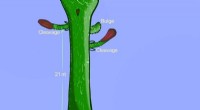
* Plant Cells: Have specialized regions called meristems where undifferentiated cells actively divide and differentiate to form new tissues. This allows plants to continue growing throughout their lives.
* Animal Cells: While stem cells exist in animals, they are not as widespread as meristems in plants. Animal growth is largely determined during embryonic development.
4. Organogenesis:
* Plant Cells: Plant organs are typically formed by the continuous growth of meristems, which produce new tissues and expand the organ.
* Animal Cells: Organogenesis in animals is a more complex process involving the interaction of various cell types and signaling pathways. This leads to the formation of distinct and complex organs.
5. Cellular Specialization:
* Plant Cells: Plant cells differentiate into a wide range of specialized cells, including parenchyma, collenchyma, sclerenchyma, xylem, phloem, and epidermal cells.
* Animal Cells: Animal cells also differentiate into a variety of specialized cells, including muscle cells, nerve cells, blood cells, epithelial cells, and connective tissue cells.
6. Regeneration:
* Plant Cells: Plants have remarkable regenerative abilities, allowing them to replace damaged tissues and even grow new organs from cuttings.
* Animal Cells: While some animals can regenerate certain tissues, their regenerative capacity is generally limited compared to plants.
In summary:
While both animals and plants rely on cellular differentiation for growth and development, their mechanisms differ in terms of cell wall presence, totipotency, meristems, organogenesis, cellular specialization, and regeneration. These differences reflect the distinct evolutionary paths and adaptations of these two major kingdoms.