Internal factors:
* Metabolic processes: Many metabolic reactions produce or consume H+ ions, directly affecting the pH. For instance:
* Cellular respiration: Produces CO2, which reacts with water to form carbonic acid (H2CO3), lowering pH.
* Anaerobic glycolysis: Produces lactic acid, lowering pH.
* Amino acid metabolism: Can produce ammonia, which increases pH.
* Ion pumps: Cells actively pump ions across their membranes, which can alter the intracellular pH. For example, the Na+/H+ exchanger pumps H+ out of the cell, increasing intracellular pH.
* Buffer systems: Cells contain buffer systems, like bicarbonate and phosphate buffers, that help maintain a stable pH. However, when the buffering capacity is exceeded, the pH can change.
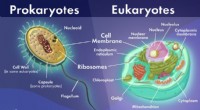
* Organelle function: Some organelles, like lysosomes, maintain acidic environments for their specific functions. Changes in their activity can affect overall cellular pH.
External factors:
* Environmental pH: The pH of the surrounding environment can influence the cellular pH. For example, exposure to acidic or alkaline solutions can alter the internal pH.
* Nutrient availability: The availability of nutrients, like glucose, can affect metabolism and, consequently, the pH.
* Stress conditions: Stress conditions, like hypoxia, can disrupt metabolic processes and lead to pH changes.
* Pathogens: Pathogens can release toxins or alter cellular metabolism, impacting the cellular pH.
Consequences of pH change:
Changes in cellular pH can have significant consequences:
* Enzyme activity: Many enzymes have optimal pH ranges. Changes in pH can disrupt enzyme activity, affecting metabolism.
* Protein structure: pH affects the charge and structure of proteins, potentially altering their function.
* Membrane integrity: pH changes can affect the stability of cell membranes, potentially leading to damage.
* Cell signaling: pH changes can act as signaling molecules, triggering various cellular responses.
Regulation of pH:
Cells have various mechanisms to regulate their pH:
* Buffer systems: As mentioned above, these systems resist pH changes.
* Ion pumps: These actively transport ions to maintain pH balance.
* Respiratory compensation: Cells can adjust their respiration rate to regulate CO2 levels and, consequently, pH.
* Renal excretion: Kidneys can excrete excess acids or bases to maintain blood pH.
Overall, cellular pH is a tightly regulated parameter essential for optimal cellular function. Disruptions in pH can lead to various cellular dysfunctions and even cell death.